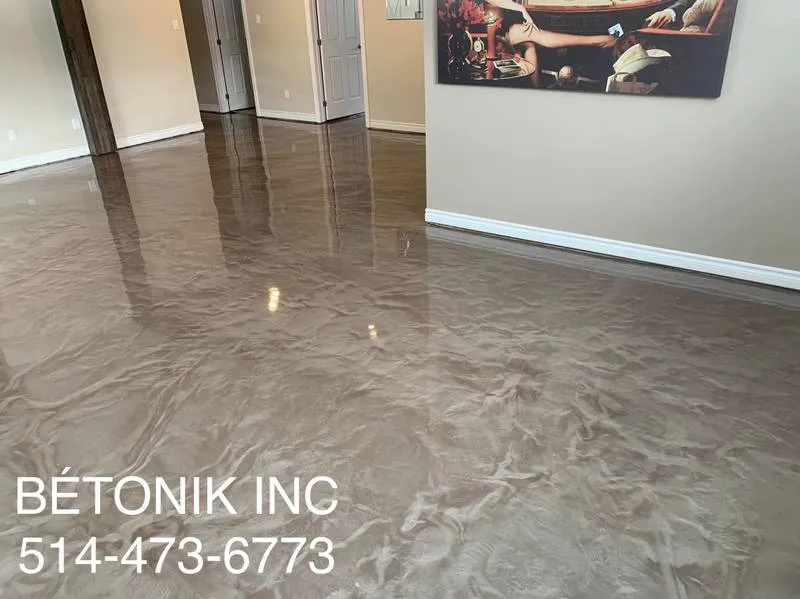
Understanding Epoxy Flooring
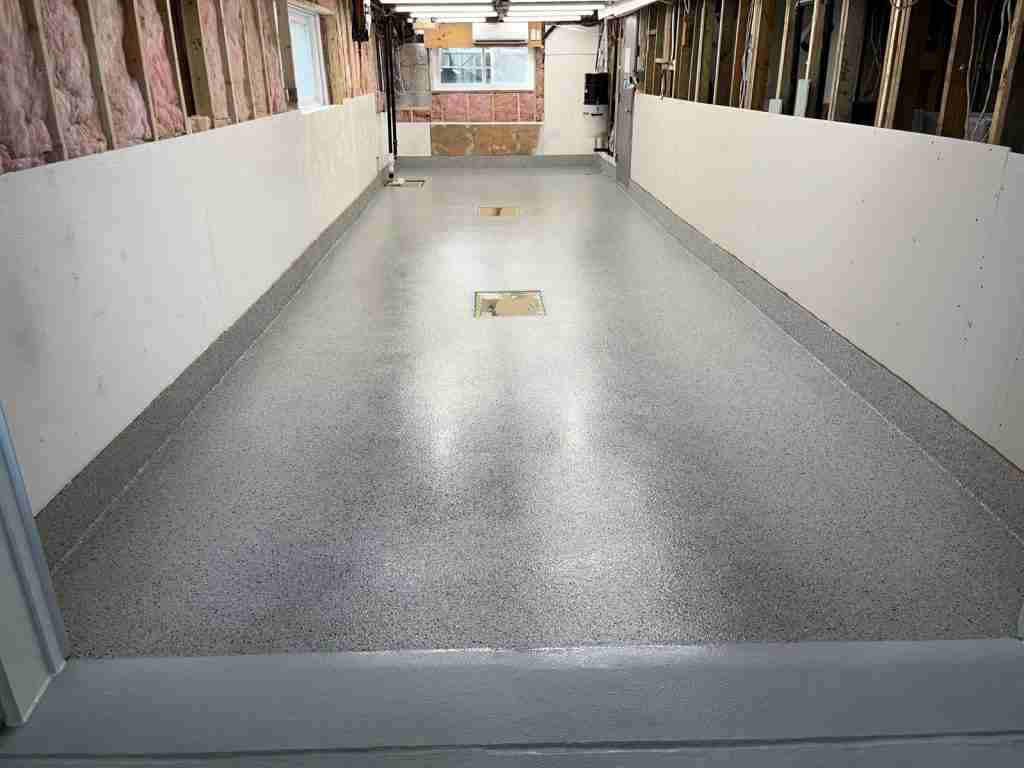
Epoxy flooring is a popular choice for both residential and commercial spaces due to its durability and aesthetic appeal. It consists of a mixture of resin and hardener that, when applied to concrete surfaces, creates a strong, long-lasting finish that can withstand heavy foot traffic and various environmental conditions.
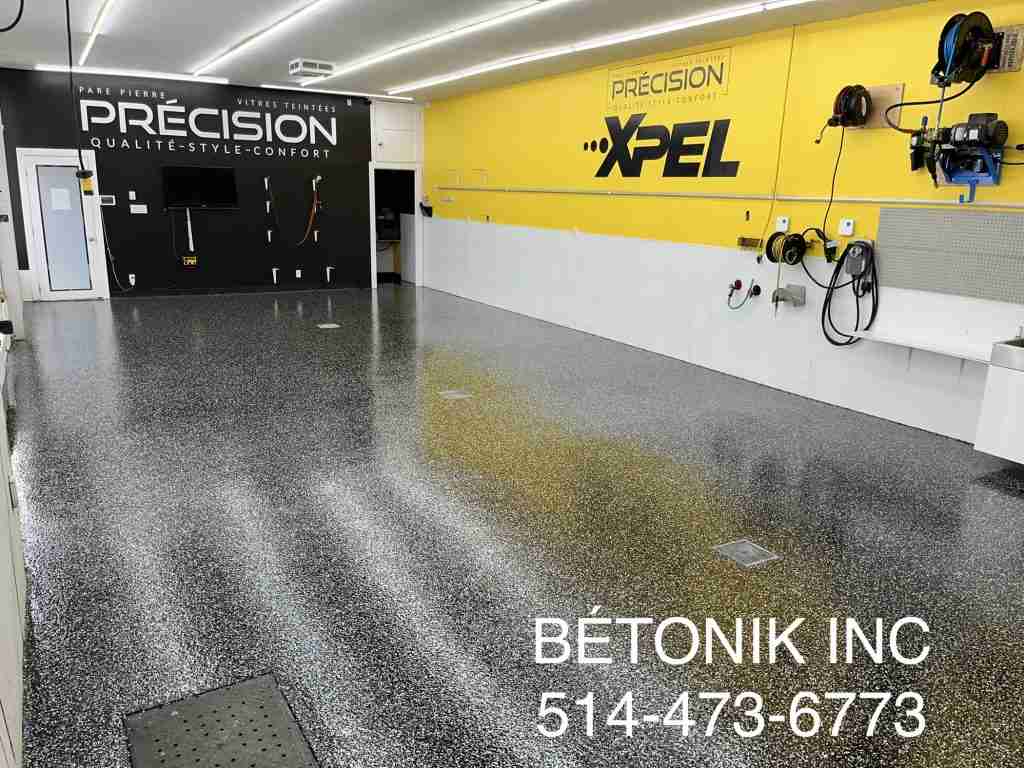
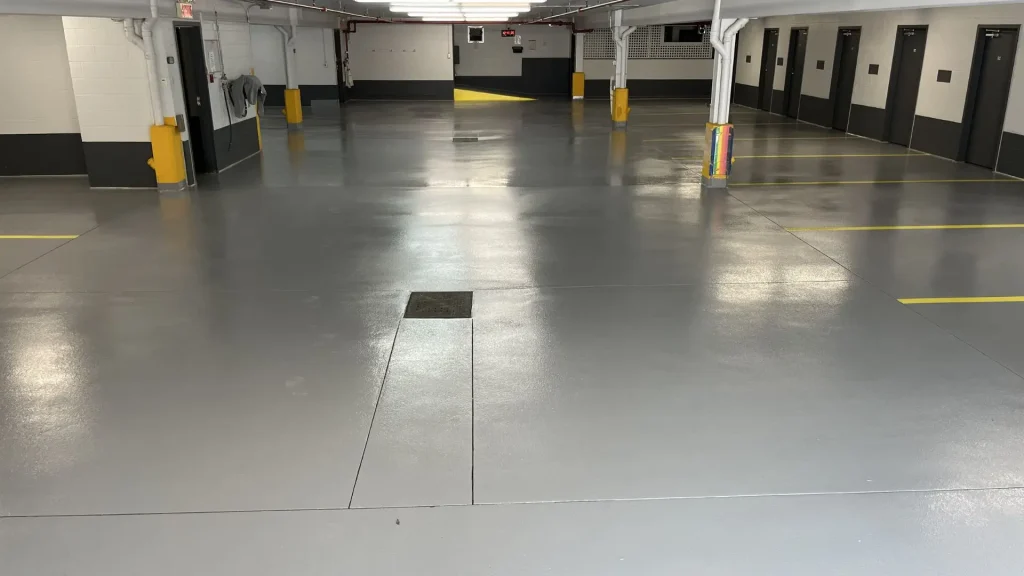
This type of flooring is not only functional but also customizable, allowing homeowners and business owners to choose from a wide range of colors and finishes. Additionally, epoxy flooring is resistant to stains, chemicals, and moisture, making it an ideal solution for garages, basements, and industrial settings.
Benefits of Epoxy Flooring
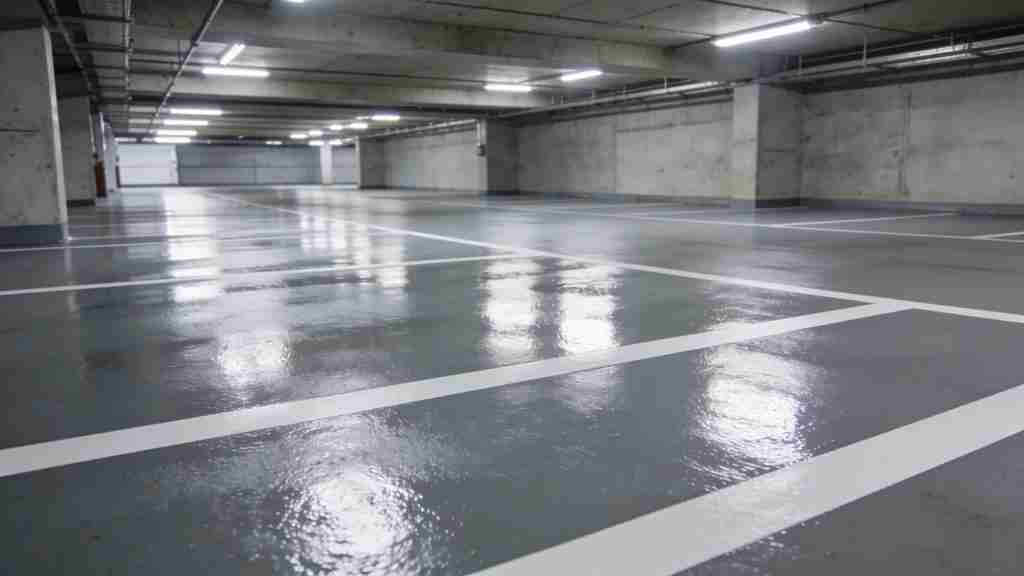
Choosing epoxy flooring comes with numerous advantages that enhance both the functionality and appearance of a space. One of the primary benefits is its exceptional durability, which can extend the lifespan of the underlying concrete while providing a seamless surface that is easy to clean and maintain.
Moreover, epoxy flooring can improve safety due to its slip-resistant properties, making it suitable for various environments. The installation process is also relatively quick, allowing businesses to minimize downtime during renovations or new constructions.
Common Issues with Epoxy Flooring
Despite its many benefits, epoxy flooring can encounter issues over time, such as yellowing, bubbling, or peeling. These problems can arise from improper installation, exposure to UV light, or moisture trapped beneath the surface. Understanding these potential issues is crucial for maintaining the integrity of the floor.
Regular inspections and maintenance can help identify early signs of wear and tear, allowing for timely repairs that can prevent more extensive damage. Engaging professional services for both installation and maintenance can ensure that your epoxy flooring remains in optimal condition.
Best Practices for Maintaining Epoxy Floors
To extend the life of your epoxy flooring, it is essential to follow best maintenance practices. Regular cleaning with a pH-neutral cleaner and a soft mop can help remove dirt and debris without damaging the surface. Avoid using harsh chemicals or abrasive tools that could scratch or dull the finish.
Additionally, placing mats at entryways can reduce the amount of dirt and grit tracked onto the floor. Periodic inspections for signs of damage and addressing them promptly will also help maintain the floor's appearance and functionality over time.