How to Clean Your Epoxy Floor — Expert Guide
Cleaning an epoxy floor requires a specific approach to preserve its appearance and durability.
Epoxy coatings are valued for their durability and aesthetic appeal, but they require regular maintenance to prevent the buildup of dirt and stains.
In this article, we’ll explore effective cleaning methods, recommended products, and maintenance tips to ensure the longevity of your epoxy floor.
We will also cover specific techniques for cleaning industrial floors and the frequency of maintenance required to keep them looking their best. Finally, we will discuss the repairs and protective measures to consider after cleaning.
Cleaning method
To effectively clean an epoxy floor, it is essential to use appropriate methods that will not damage the surface.
A common method is to use a mop with a mixture of water and mild soap.
This mixture removes dirt without scratching the surface. It is also important to treat stubborn stains, such as tire marks or oil stains, using specific products that do not contain abrasive agents.
By following these steps, you can maintain the appearance of your floor while extending its lifespan.
Safe and effective cleaning methods for epoxy floors
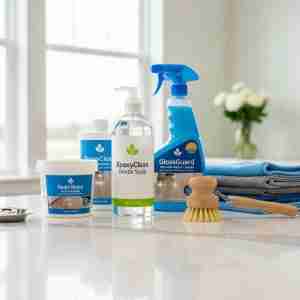
When cleaning an epoxy floor, choosing the right products is crucial. Here are a few recommendations:
- Mild soap: Ideal for regular cleaning; it won’t damage the surface.
- Specialized degreasers: Used to remove oil and grease stains.
- Non-abrasive cleaning products: Prevent scratches and preserve the floor’s shine.
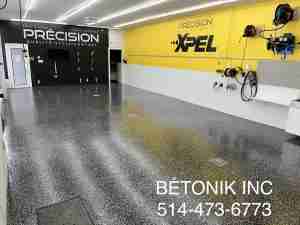
Bétonik Inc. is a company specializing in epoxy and concrete flooring, offering advice on the best products to use for optimal maintenance.
Care Instructions
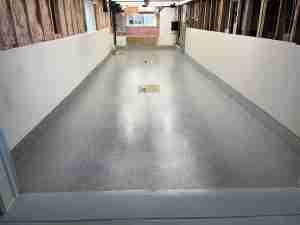
Regular maintenance is essential to keep your basement or garage epoxy floor looking its best. Here are some practical tips:
- Regular cleaning: Cleaning once a week helps maintain the shine and prevent dirt buildup.
- Monthly inspection: Check the surface for any cracks or damage.
- Avoid abrasive products: These can scratch and damage the finish.
Mild detergents and specialized epoxy cleaners are ideal. They allow you to clean without damaging the surface. Here are a few recommended types of detergents:
- Mild detergents: Effective for everyday cleaning.
- Enzyme-based solutions: Ideal for tough stains.
- Vinegar-based products: Natural and effective for disinfecting
When using cleaning products, it is essential to take certain precautions:
- Avoid abrasive cleaners: They can scratch the surface.
- Ensure proper ventilation: To prevent the buildup of harmful fumes.
- Test the products: On a small area before applying them to the entire surface.
What are some effective techniques for cleaning an epoxy industrial floor?
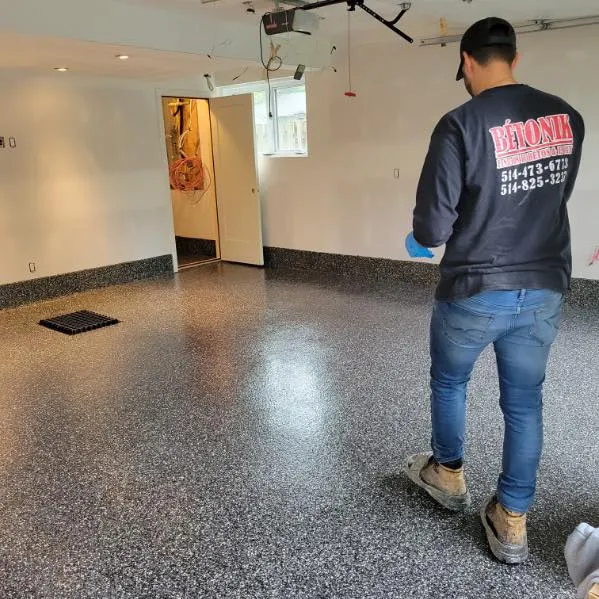
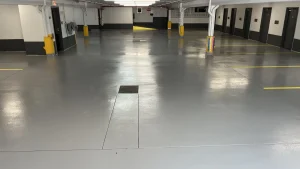
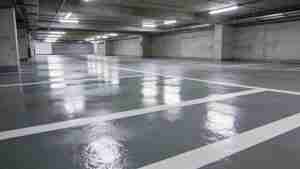
Cleaning industrial epoxy floors requires specific techniques to handle larger and often dirtier surfaces. Here are some effective methods:
Specific cleaning systems are often designed for demanding industrial environments, such as those found in aircraft maintenance facilities.
Industrial Epoxy Floor Cleaning Systems & Specifications
Appendix A contains a four- coat, thick film 14, non-conductive, chemically resistant interior coating system designed to protect the following aircraft maintenance shop floors 1 Engine maintenance, 2 Airframes, 3 Avionics, and 4 Aviation armament. Presented within the publication are the following sections A Condition assessment requirements, B Coating system, C Photographs showing the sequential installation, D Quality control, and E Cleaning coating system.
Floor Coating Specification for Interior Aircraft Maintenance Shops, 1999
Conclusion
Keeping an epoxy floor in top condition is essential for maintaining its durability and appearance.
By following proper cleaning methods and using the right products, you can ensure that your garage floor lasts as long as possible.revêtement de garage.
Frequently Asked Questions
Everything You Need to Know About Our Services.
What specific tools make it easier to maintain epoxy floors?
- Microfiber mop: For effective cleaning without scratching.
- Bucket with wringer: For optimal moisture control.
- Brosse douce : Pour les taches tenaces sans endommager la surface.
What specific tools make it easier to maintain epoxy floors?
- Microfiber mop: For effective cleaning without scratching.
- Bucket with wringer: For optimal moisture control.
- Soft brush: For stubborn stains without damaging the surface.
What are the signs that cleaning is needed?
- Dust buildup: A clear sign that cleaning is needed.
- Visible stains: These indicate that a thorough cleaning is needed.
- Loss of shine: This may indicate that cleaning and maintenance are needed.
How can you schedule regular maintenance to extend the life of your floor?
To ensure the longevity of your floor, we recommend that you:
- Create a cleaning schedule: Including weekly and monthly cleanings.
- Use protective products: To protect the surface after cleaning.
- Inspect regularly: To check for signs of wear or damage.
What are the common repair methods for damaged epoxy floors?
Repairs may include:
- Sealing cracks: Use an epoxy sealant to fill the cracks.
- Surface renovation: Sand and apply a new coat of epoxy if necessary.
- Replacing sections: For significant damage, replace the damaged slabs.
What protective products would you recommend to preserve the floor?
To protect your floor, consider using:
- Epoxy sealants: For long-lasting protection against moisture and stains.
- Specialty waxes: To add a layer of shine and protection.
- Anti-slip products: To improve safety on potentially slippery surfaces.
These methods and products will help you keep your epoxy floor in excellent condition, ensuring its durability and aesthetic appeal.